How To Fill A Short Raised Garden Bed
Wondering how to fill a short raised garden bed? We have the answer for you! Our guide explains calculating how much soil you'll need!


Contents
With raised garden beds becoming the preferred format for many gardeners, the topic of how to fill a short raised garden bed is paramount. Choosing the right garden soil and the appropriate amendments is important. The organic material you choose determines how your entire season progresses.
You may have a thriving compost pile to help you fill your raised bed. Perhaps you want to try filling raised beds with a garden bed soil mix, or maybe you want to build your own with a regenerative technique that relies on a supply of organic matter. Whichever you choose, we’ve got you covered.
Filling raised garden beds doesn’t have to be hard or expensive, depending on what you have around. Here, we’ll discuss how much soil you need and how to fill a raised bed that is short!
Small Modular Metal Raised Garden Bed Kit

Small Modular Metal Raised Garden Bed Kit – 15” Tall
Round Metal Raised Garden Bed Kit
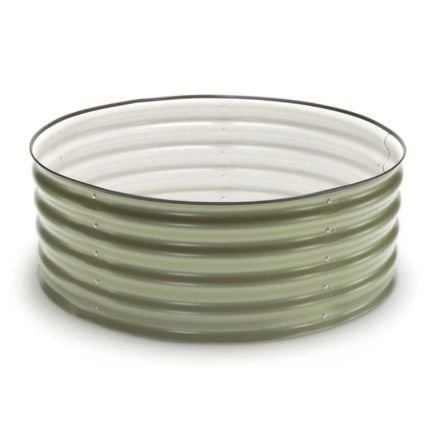
Round Metal Raised Garden Bed Kit – 15” Tall

What Is Your Short Raised Garden Bed For?
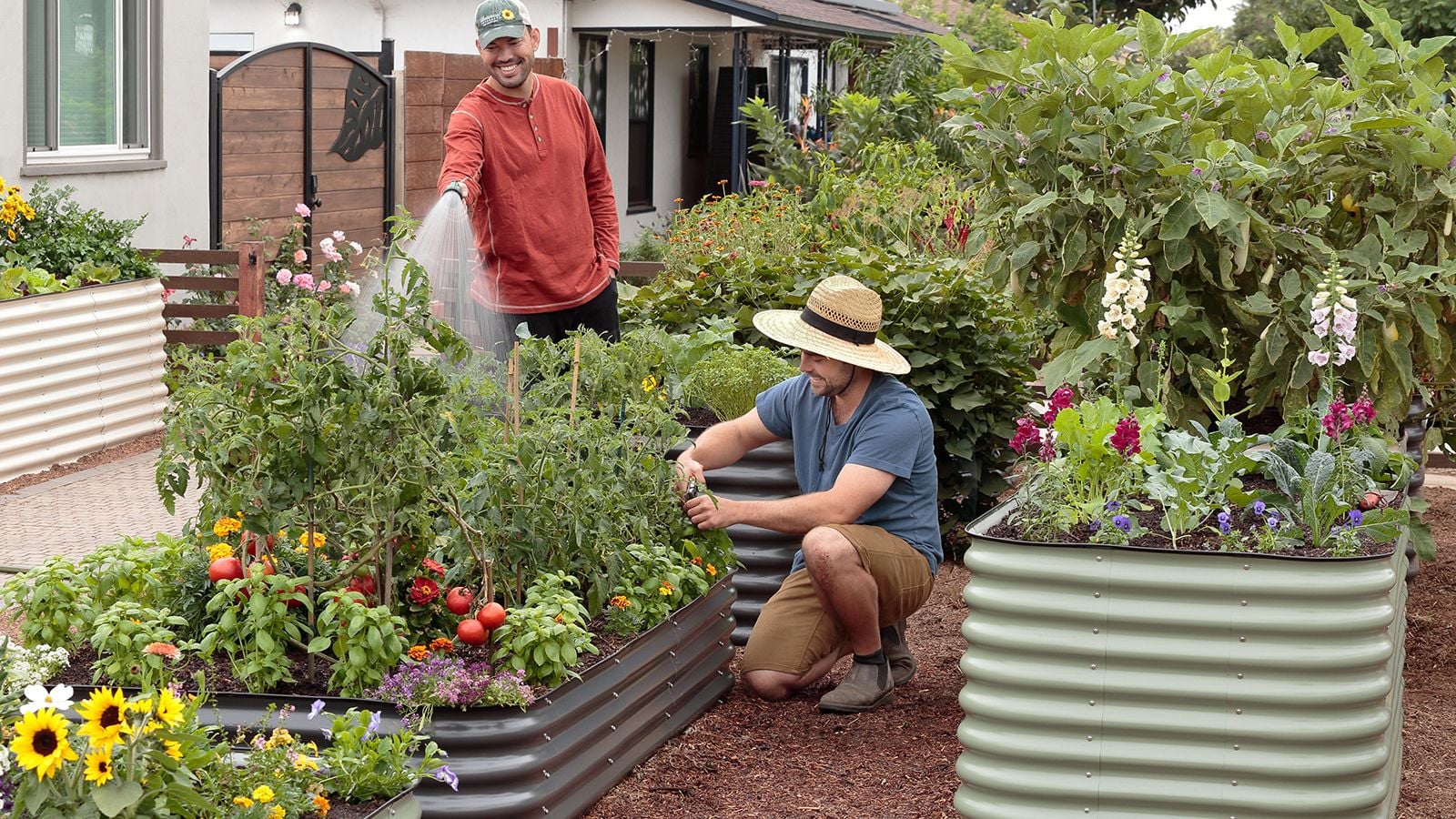
To determine which materials will fill your raised garden beds, first decide what you want to grow. Most raised garden beds will do just fine with garden soil formulated specifically for them. However, you can add amendments that cater to the plants you’re growing.
For instance, homemade compost is an excellent source of micronutrients for most plants. Peat moss can help retain moisture in your raised beds. Native soil provides beneficial bacteria and mycelia that exist within the soil profile of your region. Mulching with wood chips, grass clippings, or leaves to lock in moisture and protect roots from extreme temperatures may be a consideration too.
Maybe there’s a raised bed gardening technique you’d like to try that involves layering organic materials before topping off your short raised bed gardens with soil where plants can grow. Consider these things before you purchase fill materials.
How Much Material Do You Need?

The material you’ll need for filling your bed depends on the bed size you’re filling. With the Birdies Original Raised Beds available through the Epic Gardening shop, we’ve already done the math for you on each of the configurations available. You’re welcome to use our chart on each bed’s page to estimate the amount of soil you need.
But if you built a DIY raised bed, here’s a widely used formula to calculate the volume of your raised bed and how much soil you’ll need: width x length x height = total cubic feet of fill material. Begin by measuring each dimension of your bed in feet. If you end up with a bed that isn’t exactly measured in feet, round up to ensure you’ll have more than enough soil on hand when the time comes.
To illustrate, let’s say you’ve got a new garden bed that is roughly four feet wide, eight feet long, and one foot deep. The calculation would be simple: multiply 4 x 8 x 1, and you’ll discover you need 32 cubic feet. If you’re buying soil in bulk, that comes out to 1.19 cubic yards, so you’d want to buy at least 1.5 cubic yards to be sure you have enough to fill with some leftover. You’ll want that extra soil to top off other beds later or use for containers. Those buying bagged soil will generally find bags in 1.5 or two cubic foot sizes; assuming you’re using two cubic foot bags, you’d need 16 bags to fill that bed completely.
If your bed was 4.5 x 8.5 x 1.5 feet, getting that same amount of garden soil would leave you considerably short. Garden beds are meant to be full, and those small amounts of space add up quickly, especially once you’ve watered the soil in and it settles. I highly recommend getting enough extra soil to top off your garden beds later.
As the initial soil settles into place and fills every square inch of space, it will sink down by many inches. Deep beds may still have ample space for roots, but you’ll probably need to top off shallow beds to keep a productive garden going. A few inches of soil can make a world of difference!
A Word on the Planting Area
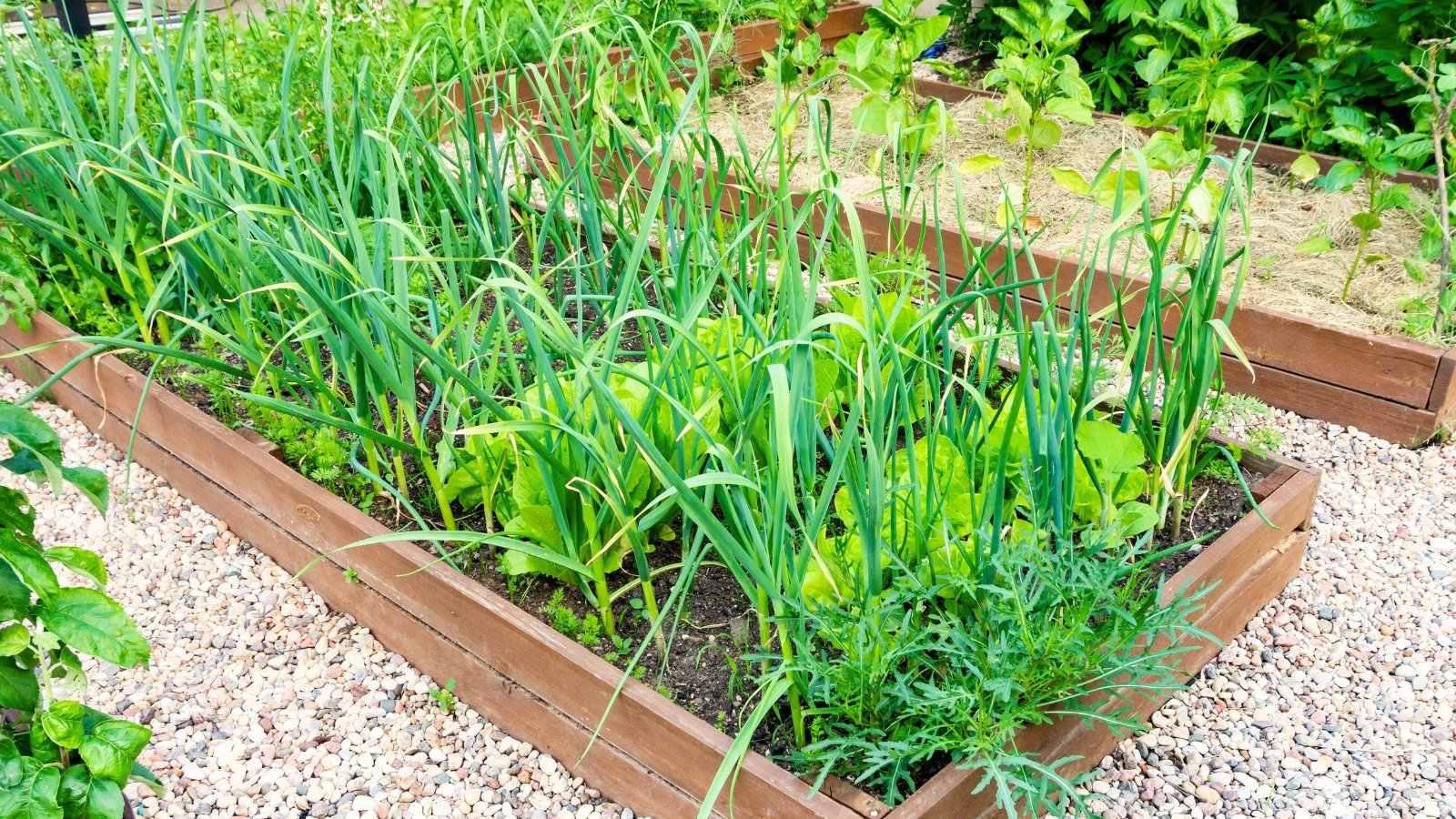
Before we get into the specifics of how to fill your brand-new raised bed, let’s cover a couple of basic rules of thumb. No matter what method you use, remember to provide no less than eight to 12 inches of soil dedicated to planting. If you’re using an Original Birdies bed, you have some room to work with, as the shorter Birdies beds are 15 inches in height.
When using an even shorter raised bed that’s only eight inches tall, do not use fill materials and devote the entire space to planting. If your bed is less than eight inches, you’ll need to dig a trench with no fill below to improve the soil and allow for adequate aeration where roots can grow.
Ways to Fill Your Short Raised Garden Bed

Let’s discuss different ways to fill your raised beds that help you build great soil. There are more methods than those presented here, but we wanted to cover a few of the most cost-effective options.
Before you fill your bed, lay down a 1/4 inch to 1/2 inch of gravel underneath. This provides excellent drainage and protects the bottom of the bed. Gravel also helps suppress weeds throughout the season.
The foundation of many of these methods is that they create nutrient-rich raised bed soil that continuously replenishes itself. That means you will not have to do as much maintenance to keep up your beds from year to year.

Hugelkultur

The hugelkultur method is one of the best ways to build healthy soil and save money at the same time. The process is simple: lay a base of large rotting logs, then top them with smaller branches and twigs. As you layer, fill the gaps between logs and branches with kitchen scraps, compost, leaves, and sometimes leftover potting soil. Then top it all off with a substantial amount of high-quality soil for a fall or spring planting.
As the rotting debris beneath the soil surface breaks down, it builds amazing soil underneath. This fertile soil excels at retaining moisture and nutrients in your raised bed garden.
There are a few things to note when you fill a raised bed with hugelkultur. First, a hugelkultur raised bed requires that you keep more soil on hand because the soil level will drop quite a bit during the decay process. Adding soil throughout the season is important.
Also, leave at least eight inches of room above your rotting material. This allows planting holes deep enough for root vegetables if root crops are your goal.
To achieve this in a short bed, dig a trench within the perimeter of the bed before you lay your large base logs. Place the logs in the trench and layer your materials, ensuring you maintain that eight-inch buffer before you plant starts or seeds.
Core Gardening
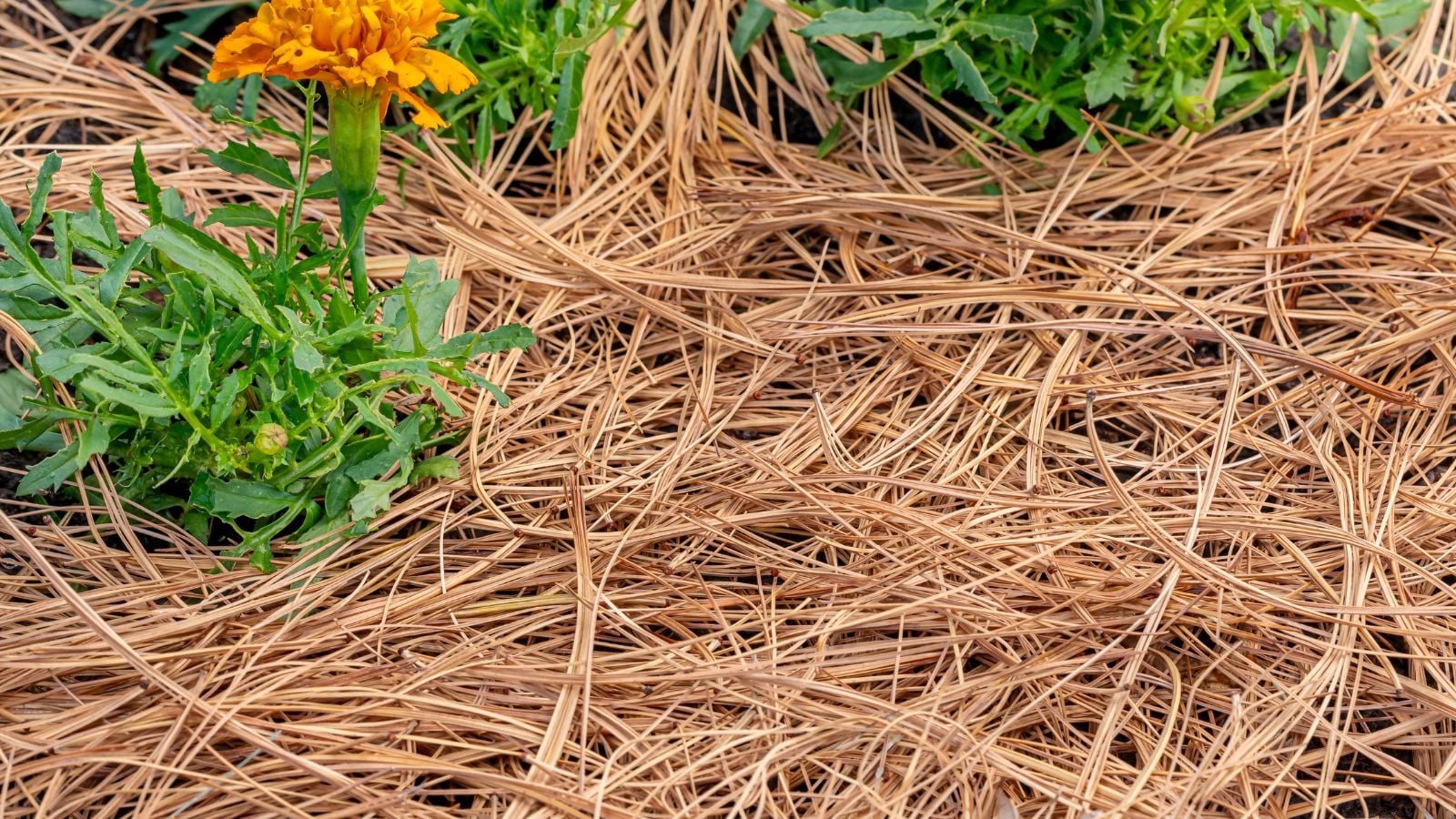
Another effective organic gardening method for filling raised beds is core gardening. A core garden uses straw bales as the main fill material.
Much like the hugelkultur method, dig a trench at least one foot deep to allow adequate space for the straw and your planting area above (at least eight inches deep, remember?). Some hay contains weed seeds, so source it wisely.
Then add about five inches of organic matter on top of the straw or hay. This could be composted manure, organic compost, or scraps from your compost bin. Above that, lay your soil blend, whether it is bagged soil or a mix you developed yourself from peat moss, worm castings, coarse sand, and similar amendments.
What you are doing is creating a compost bin inside your raised bed. As the material breaks down, beneficial microbes feed on the organic matter and create beneficial relationships between plants and soil.
Lasagna Gardening

Another great regenerative method for filling a raised bed is lasagna gardening, also referred to as sheet mulching or the mulch queen method. If digging a trench is not your style, you can simply lay down materials that create rich soil as they break down. This popular gardening method is the easiest up front, as it does not require tilling or digging.
Begin by placing cardboard directly on the ground. This layer should be free of tapes, adhesives, and most metals (staples and fasteners). Take some time to remove these before putting the cardboard down. Use cardboard that does not contain a lot of chemicals or dye, as these can affect plant growth above.
Then lay your raised bed on top of the cardboard. Follow up with a few layers of green and brown matter. Green matter is living tissue from kitchen scraps, compost, and composted animal manure. Brown matter comes from small branches and twigs, dried grass clippings, and dead materials like dried shredded leaves.
A thick layer of small branches and twigs on top of your cardboard base provides good drainage. Follow that with a layer of organic mulch twice the size of the base. Water these layers, and add compost that is about half the size of your base layer of twigs. Top it all off with a layer of mulch, and you should be able to plant directly into the bed after a couple of days.
If you want to further develop the sheet mulching technique, you can dig into the earth to give yourself more room. How much space you have should be determined by how much material you want to use.
Filling the Bottom of Your Short Garden Beds
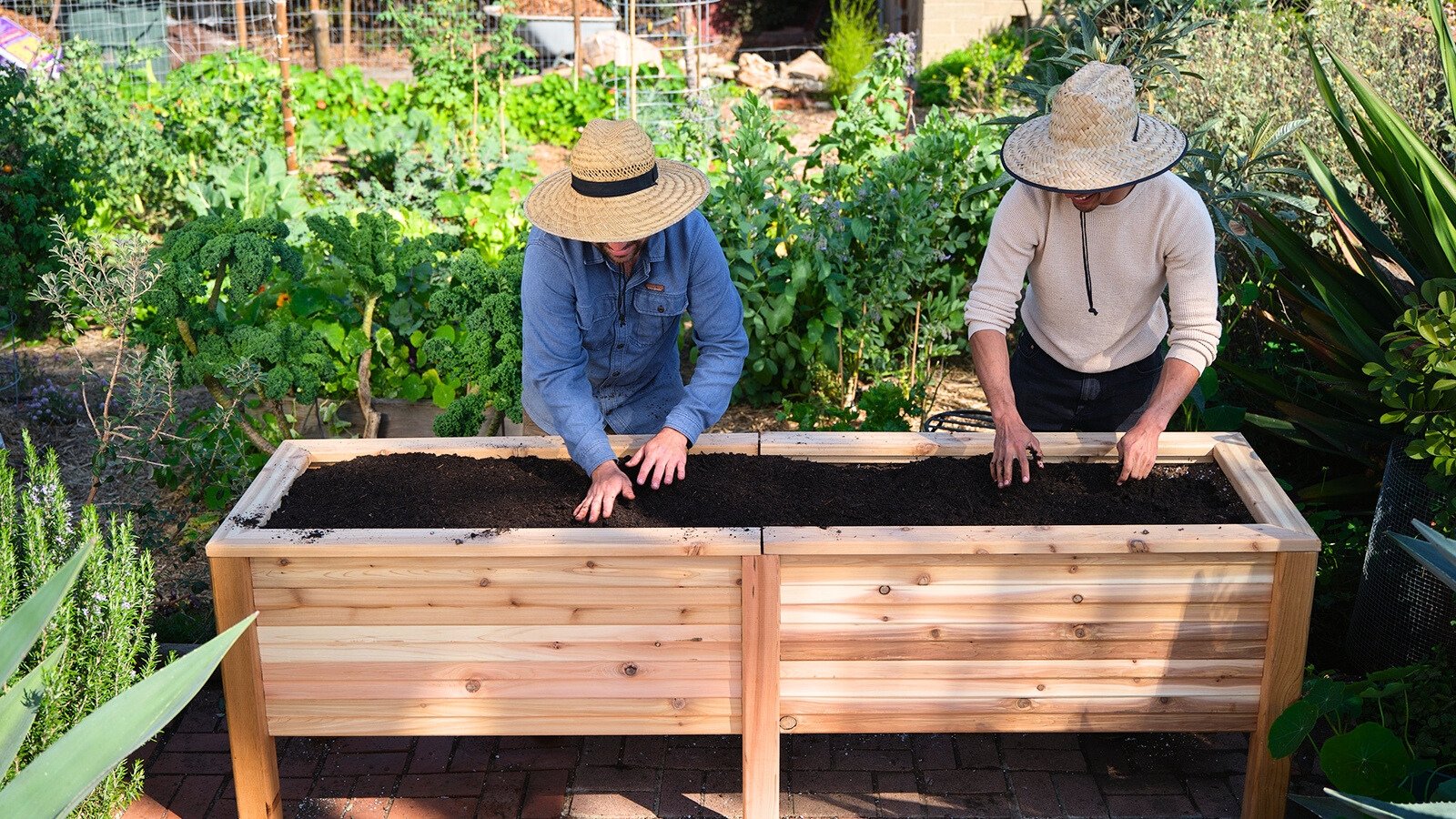
It is entirely possible to mix and match these methods or partially use one, adding a layer of quality soil on top. You will still get the beneficial microbial content, just at a less regenerative level.
If using a regenerative method is not possible in your timeframe, no problem at all. You can layer drainage materials from gardening stores before adding quality soil for planting above. Plenty of materials can wick moisture away from the soil and provide good drainage. We mentioned using a layer of branches at the base of your bed in the lasagna mulching section.
Base Materials to Avoid

Avoid using non-porous rocks, which can create a water table at the base of your beds and foster conditions where diseases take hold. Choose something that breaks down easily and creates a decomposing basis for your bed. This decomposition is the source of beneficial soil microbes.
You do, however, want to layer that gravel before you place your bed.
Short Raised Bed Custom Blends

Once you have your base covered, consider what to put within the planting layer of your short raised bed. When you acquire your materials, ensure you have enough to satisfy the cubic feet requirements of the bed.
Many gardening stores sell raised bed blends. These are usually suitable for growing most annuals, but you may need amendments suited specifically to your garden. Coconut coir and peat moss retain moisture in the bed while also providing drainage. Rice hulls are another viable option that aerates the soil and creates a lightweight material that earthworms can easily navigate.
Lava rock is a porous material that acts much like perlite and vermiculite in a raised bed, providing excellent drainage and reducing how often you need to water. Worm castings are another highly beneficial addition for your short raised bed, known to promote better growth and yields overall.
Then there are smaller amounts of material catered to specific plants. For instance, if you are growing acid-loving plants like blueberries or sweet potatoes, extra peat moss, pine needles, and cottonseed meal can lower the pH and increase acidity in the soil.
Animal manures work well when you need a lot of organic content. Plants that benefit greatly from cow manure include turmeric and ginger. Avoid fresh animal manure, though, as it can burn plants and contain seeds that sprout in your beds. Make sure your manure has been adequately composted before adding it.
Replenishing Your Short Raised Bed Annually

The most basic way to replenish your short raised bed is by simply adding more of a soil mix you know works best for your situation. However, a few other methods can provide a better soil profile for next season’s crops.
A small lasagna-style layer can supply a good variety of nutrients that your existing soil microbes will love. Even a thick, even layer of mulch has a similar effect. You can let the mulch break down, providing rich material for the following season. You could also compost on top of the soil or build a small hugel mound that will decompose over the next few months.
Whatever route you choose, there are options. It can be as expertly crafted or thrown together as you want, and it can be as expensive or cheap as you need it to be.


